Can Ultherapy Replace a Facelift if It Targets the Same SMAS Layer?
When exploring anti-aging treatments, you've probably come across Ultherapy and facelift options. Both target facial sagging, but can Ultherapy genuinely replace a facelift because it claims to target the same SMAS layer? Let’s break down what’s happening beneath the skin and whether this non-surgical option lives up to the surgical gold standard.
Understanding The Layers: Surface Tightening vs Dermal Tightening vs Structural Lifting
Before we get to Ultherapy and facelifts, it helps to know the facial layers involved in lifting and tightening:
- Surface layer: The epidermis and upper dermis. Treatments here improve skin texture, tone, and minor wrinkling (think lasers, microneedling).
- Dermal layer: The thicker collagen matrix below the surface. Stimulating new collagen here can firm skin and reduce moderate laxity.
- SMAS (Superficial Musculo-Aponeurotic System): A fibrous layer that encases facial muscles and fat. It’s the real “structural” support layer that holds the face in place. Facelifts surgically reposition this layer for lasting lift.
Most non-surgical treatments focus on the surface or dermis, making structural lift limited. Ultherapy claims to penetrate to the SMAS, but how deep and effective is the energy?
What Is Ultherapy and How Does It Work?
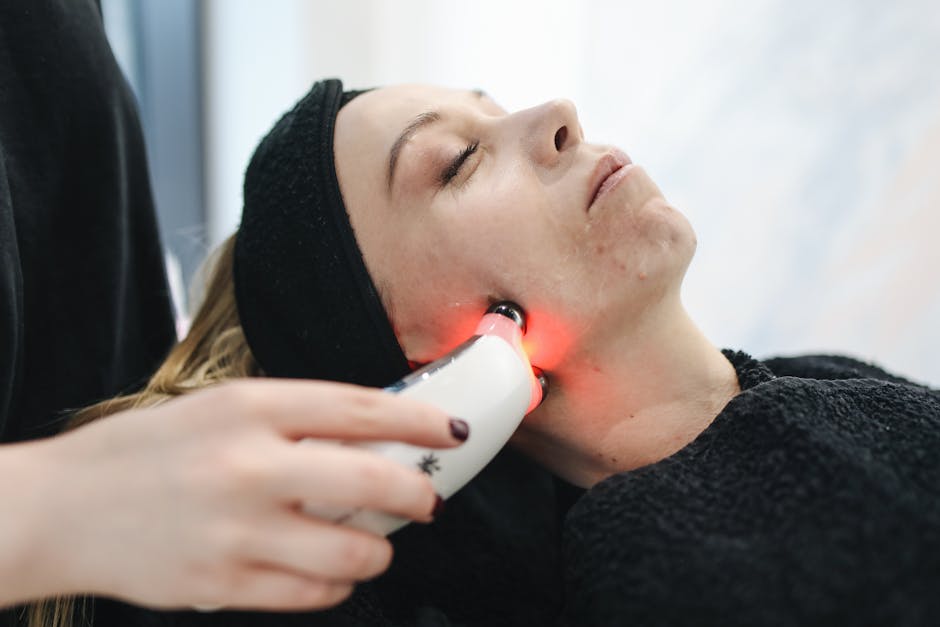
Ultherapy uses Micro-Focused Ultrasound with Visualization (MFU-V) to deliver targeted ultrasound energy to precise depths. This not only creates controlled tissue heating but also uses real-time imaging to guide treatment placement.
What Makes the MFU-V Special?
- Real-time imaging: Allows practitioners to see the layers beneath your skin during treatment, enhancing accuracy.
- Multiple Depths: Usually targets 1.5mm, 3.0mm, and 4.5mm depths. The 4.5mm handpiece is designed to focus on the SMAS layer.
- Heat-induced collagen stimulation: The ultrasound energy heats tissues to roughly 60–70°C at focal points, causing immediate collagen contraction and longer-term new collagen production.
More recent iterations like Ultherapy Prime promise improved comfort and slightly different energy parameters but still follow the same principle.
Does Targeting the SMAS Layer Mean Ultherapy Offers Surgical-Level Lifting?
It’s tempting to think that if Ultherapy reaches the SMAS layer, it should mimic a facelift. However, the reality is more nuanced because:
- Energy Delivery vs. Surgical Repositioning: Ultherapy delivers focused heat to cause collagen tightening and regeneration. But it does not separate, loosen, or reposition tissues like a surgeon physically can.
- Depth and Energy Limits: The 4.5mm depth targets the SMAS, but the energy per focal point is much less than surgical manipulation. This results in modest lift rather than dramatic repositioning.
- Collagen Stimulation Timeline: Improvements appear gradually over 2–3 months rather than immediately like surgery.
In other words, Ultherapy provides a “natural” lift by tightening existing connective tissue rather than undoing years of gravity and skin laxity.
RF Heating and Collagen Limits: Why Ultrasound Isn’t the Whole Story
Other popular technologies like Radiofrequency (RF) also stimulate collagen via brow lift without surgery singapore heat but tend to target more superficial layers. The key limitation common to non-invasive methods is:
- They can only cause collagen contraction and neocollagenesis, not the mechanical lifting and redraping surgical facelifts achieve.
- They generally yield mild-to-moderate lifting benefits, mostly for early-stage skin laxity.
- They require maintenance sessions every 12-18 months for sustained effects.
Ultherapy’s advantage over RF lies in better depth targeting and imaging, allowing for safer and more precise treatments at the SMAS, but it still operates within these biological limits.
Facelift vs. Ultherapy: Key Comparison Points
Aspect Facelift (Surgical) Ultherapy (Non-Surgical) Target Layer SMAS and deeper; physical repositioning SMAS (4.5mm), dermis, surface; ultrasound heating Immediate Effect Yes, visible lifting and contouring Minimal immediately; gradual improvement over 2-3 months Downtime Significant surgical recovery (weeks) Little to no downtime; mild soreness or swelling possible Longevity 5-10 years or more 12-18 months, requires repeat treatments Risks Higher: anesthesia, scarring, nerve injury Lower: mild swelling, rare nerve irritation Cost (Singapore Dollars SGD)* ~$15,000 - $30,000+ ~$3,000 - $5,000 per session*Note on pricing: Many clinics don’t provide transparent SGD pricing online for Ultherapy, which can be confusing. Most typically charge between SGD 3,000 to 5,000 per full-face session. Surgical facelifts vary widely in cost depending on scope and surgeon.
Clinic Questions That Dodge the Real Answer: What to Ask Your Provider
Here are some questions you should clarify directly with your clinician to cut through marketing:
- What exact depth settings will be used? Can you show the treatment plan?
- What results can I expect given my age and skin laxity?
- What is the typical downtime or side effects?
- How many sessions will I need for optimal results?
- What is the total cost in SGD, including consultations and follow-ups?
If you hear vague answers or “results vary” sales talk, ask for before and after photos with lighting notes and real patient testimonials.
Summary: Ultherapy Is a Valuable Tool, But It Does Not Replace a Facelift
Ultherapy shines as an effective, non-surgical option for mild-to-moderate facial sagging, especially if you want to avoid surgery or downtime. Its ability to target the SMAS via MFU-V and real-time imaging provides controlled collagen stimulation and modest lift.
However:
https://highstylife.com/thermage-vs-10therma-are-they-both-monopolar-rf/- It does not mechanically reposition tissues like a facelift.
- Typical improvements are more subtle and take months to manifest.
- Longevity is limited; maintenance treatments are necessary.
- Pricing transparency in SGD is often missing—do your homework.
For those with significant skin laxity or seeking a dramatic, long-lasting lift, a surgical facelift remains the gold standard. Ultherapy fills an important niche but should be approached with realistic expectations: think of it as collagen “tune-up” rather than a full facial “rewind.”
Further Reading and Resources
- Ultherapy Prime & Treatment Details
- American Society of Plastic Surgeons - Facelift Overview
- Peer-reviewed article on Ultherapy collagen stimulation
Questions or experiences with Ultherapy or facelifts? Drop a comment below—let’s get real about layers and lifting.