Urea 10% vs Urea 20% for Heels - Which One Should I Buy?
If you’ve ever battled with cracked heels, you know the struggle of finding a product that’s effective without being too harsh. Urea is a superstar ingredient for repairing and moisturizing tough, dry skin - especially on the heels where our skin is thickest and often neglected. But there’s a choice to make between urea 10 percent lotion and urea 20 percent cream. Which should you go for? Let’s break down what makes these two strengths different, and how to build a realistic, effective routine that actually fits your life.
Why Heels Need a Different Approach Than Your Face
The skin on your 60 second moisturizer rule heels is way different than the skin on your face. Here’s why that matters when choosing between urea strengths:
Skin Characteristic Face Skin Body Skin (Heels) Thickness Thin, delicate Thick, tough, often calloused Oil Glands Numerous, keeps skin relatively oily Few to none, tends to be very dry Exposure More frequent cleansing and makeup Subject to friction and pressureBecause heel skin lacks oil glands and is thicker, it loses moisture quickly and can struggle to heal with lighter lotions. That’s why products with higher percentages of urea, like urea 20 percent cream, can be so useful here—they deliver stronger exfoliation and hydration to soften tough skin.
Understanding Urea: What Does It Actually Do?
Urea is a naturally occurring substance in your skin that acts as a humectant, pulling water into the skin’s surface. https://bizzmarkblog.com/should-i-put-sunscreen-on-the-backs-of-my-hands-every-day/ It also gently exfoliates dead, dry skin cells, which is key for cracked heels, where hardened skin can build up and split.
- At 10%: Urea primarily moisturizes, soothing dryness and softening skin without aggressive exfoliation.
- At 20%: There's a stronger keratolytic effect, meaning it breaks down hardened skin layers, making it ideal for very rough, cracked heels.
So which to choose? Think of 10% like your everyday lotion and 20% as your “heavy-duty” repair cream.
Why Your Shower Routine Makes a Big Difference
You might not think about it much, but the way you shower has a huge impact on how well your heel creams work:

Hot Showers: The Sneaky Barrier Disruptor
I know, hot showers feel amazing on tired feet—but boiling water is actually a villain for dry skin. Hot water strips natural oils from your skin, weakening your protective barrier and making dry, cracked heels worse. Instead, switch to lukewarm showers to protect your skin's barrier function.
Choosing the Right Cleanser: Syndet or pH-Balanced Non-Soap Body Wash
Many soaps are alkaline and disrupt your skin's acid mantle. Picking a syndet (synthetic detergent) or a pH-balanced non-soap body wash will gently cleanse without over-drying. This is especially important before applying urea products because you want your skin barrier intact to lock in moisture.
The Moisturizing Magic: Timing and Layers Matter
Whether you pick urea 10 percent lotion or urea 20 percent cream, timing your application is key:
- Apply on damp skin: Moisturizing within 60-120 seconds of stepping out of the shower takes advantage of your skin’s residual moisture, helping humectants like urea attract water.
- Layer ingredients: Look for your heel cream to include a mix of humectants (like urea, glycerin), emollients (which smooth rough surface skin), and occlusives (which seal in moisture). For example, Joy Organics' 1000mg CBD Cream includes soothing botanicals that complement hydration—though it’s not specifically a urea product, it's an example of layering ingredients carefully for full barrier support.
- Consistency is everything: Keep your urea cream in a visible spot - like by the shower or next to your bed. Out of sight means out of mind, and I hate seeing good products wasted because they’re hiding in a cabinet.
Urea 10% Lotion vs Urea 20% Cream: Pros and Cons
Feature Urea 10% Lotion Urea 20% Cream Best for Mild dryness, maintenance, sensitive skin Thick, cracked, heavily calloused heels Texture Light, lotion-like, absorbs quickly Rich, creamier, deeply moisturizing Exfoliation Mild humectant, limited exfoliation Strong keratolytic, breaks down thick skin Potential irritation Generally well tolerated Higher chance of mild irritation/redness, avoid if skin is broken Usage frequency Daily or as needed Start slowly (e.g., every other day) to assess toleranceHow to Build a Heel Care Routine That Works
Here’s a practical routine to get you started—with a nudge to ditch some common bad habits along the way.
- Switch to lukewarm showers. Aim for 5-10 minutes max and use a syndet or pH-balanced body wash. Skip bar soaps, especially alkaline ones.
- Pat your feet dry gently. Avoid aggressive scrubbing. Leave skin slightly damp.
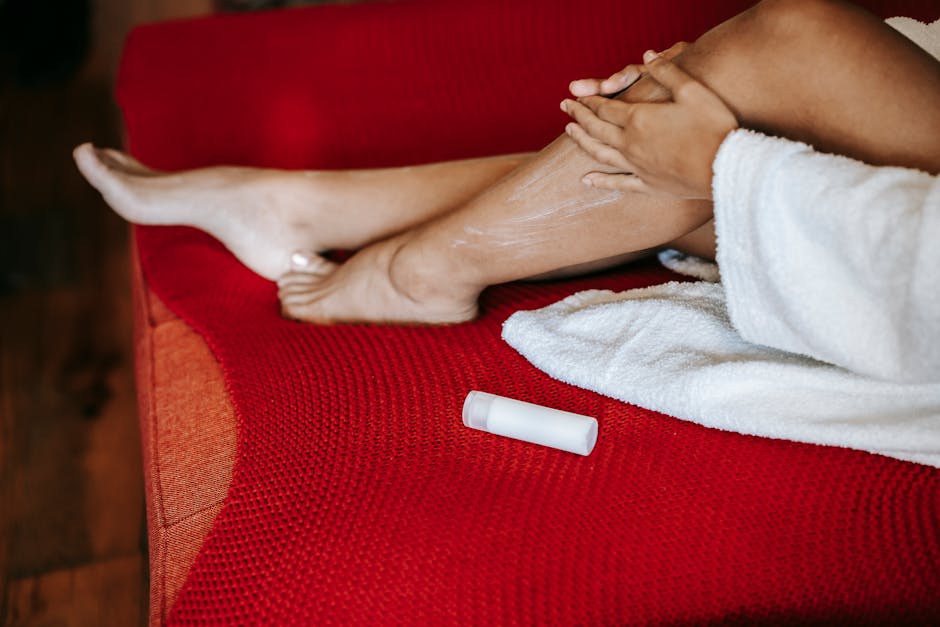
- Apply your urea cream or lotion. Whether you choose 10% or 20%, put it on within 2 minutes of drying off. If your skin is cracked but not super irritated, 20% cream will give you better exfoliation and moisture. For sensitive skin, start with 10% and monitor your skin’s response.
- Seal with an occlusive if you can. For example, a light layer of shea butter or an occlusive balm on top of your urea product can lock in hydration overnight.
- Wear cotton socks. This helps the product absorb better and prevents friction that can worsen cracks.
Bonus Tip: Why You Shouldn’t Ignore Sunscreen on Your Feet
Yes, I said it — your feet need SPF too! Especially if you wear sandals or go barefoot outdoors. Many mistakenly apply SPF just on their face. Protecting the tops of your feet from UV damage helps maintain the skin barrier and prevent dryness long-term.
Quick Product Mention: Joy Organics 1000mg CBD Cream
While not focused on urea, Joy Organics’ 1000mg CBD Cream (joyorganics.com) is a great example of a moisturizer that combines soothing botanicals with humectants. It’s perfect as an additional calming step for irritated or inflamed skin on your feet, especially after exfoliating with urea 20% cream. You might consider layering it in your routine, but avoid mixing heavy creams to prevent product overload.
Final Thoughts: Which Urea Product Should You Buy?
Choosing between urea 10 percent lotion and urea 20 percent cream depends on your heel's current condition and sensitivity:
- Go for 10% if: Your skin is just mildly dry or you want to maintain results after clearing up cracks.
- Opt for 20% if: You have thick, painful cracked heels that need both hydration and exfoliation.
Remember, no miracle happens overnight—steady care and smart routines are key. And please, keep your body care holistic: hydrate on damp skin, skip the hot showers, swap bar soap for pH-balanced washes, and don’t forget sunscreen beyond the face.
Give your heels some love, and they’ll thank you by staying soft and crack-free all year round.